How to Check Your Home's Water Pressure
Water pressure is easy to feel and hard to diagnose. A weak shower, a tap that takes a long time to fill a sink, and a washing machine that fills slowly are all symptoms, but they do not say where the problem is — and the fix for a clogged aerator is very different from the fix for corroded pipes. This guide explains how to check the pressure, how to tell whether the problem is at one fixture or across the whole house, and what the reading means, so a homeowner can describe the problem accurately and judge the advice that follows.
Testing the pressure
A pressure gauge that screws onto a hose tap is the usual tool — it costs little and gives a reading in a few minutes. Screw it onto an outside tap or a laundry tap, turn the tap on fully, and read the gauge. The reading is the static pressure, the pressure when no water is running. A provider also tests the pressure with water running, since the pressure falls when taps are open, and the difference shows whether the pipes are restricting the flow. Testing at the entry and at the taps shows where the pressure is being lost.
One fixture or the whole house
The first question is whether the problem is at one fixture or across the whole house. A single weak tap is usually a clogged aerator or a blocked showerhead, and it can be fixed without touching the pipes. A whole house that is weak usually means the problem is in the supply, the regulator, or the pipes. Check the other taps: if they are all weak, the problem is not at a single fixture, and a provider should test the pressure at the entry before any work starts.
The pressure regulator
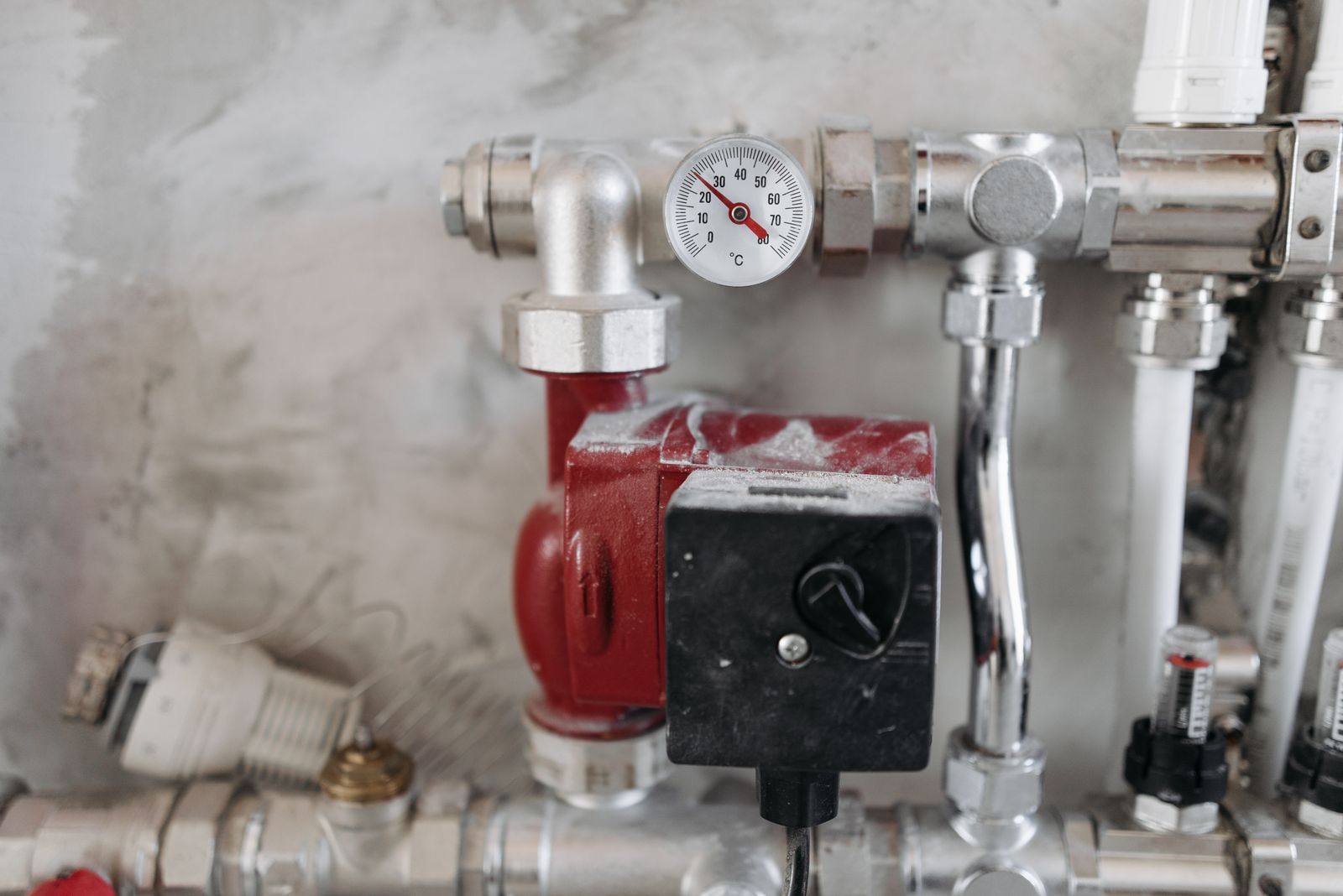
The pressure regulator is fitted where the water line enters the house, near the main shut-off valve. It is a bell-shaped valve on the pipe, and it keeps the pressure at a safe level. When it fails, it usually fails closed, so the pressure in the house falls — sometimes suddenly, sometimes gradually. A regulator that is set too low has the same effect. A provider tests the pressure before and after the regulator to confirm whether it is the cause, and replaces it if it has failed.
Pipes and the supply
Older galvanised steel pipes corrode from the inside, and the bore narrows over decades until water barely passes. A home with galvanised pipes often has pressure that has fallen slowly over years. Mineral deposits from hard water do the same thing, narrowing the pipe a little at a time.
Frequently Asked Questions
How do I measure my water pressure?
A pressure gauge that screws onto a hose tap is the usual tool — it costs little and gives a reading in a few minutes. Screw it onto an outside tap, or a laundry tap, turn the tap on fully, and read the gauge. The provider can also test the pressure with a professional gauge, and can test it at the entry and at the taps to find where the pressure is being lost.
What does the reading mean?
A reading that is very low means the pressure is too low for a good shower and for appliances to fill properly, and the cause should be found. A reading that is very high means the pressure is too high for the plumbing, and a regulator should be fitted or adjusted. A provider can say what the reading means for the house, and what the fix is.
Can I test the pressure myself?
Yes, if the gauge is screwed onto a hose tap and the tap is turned on fully. The reading is the static pressure — the pressure when no water is running. The provider also tests the pressure with water running, since the pressure falls when taps are open, and the difference shows whether the pipes are restricting the flow.