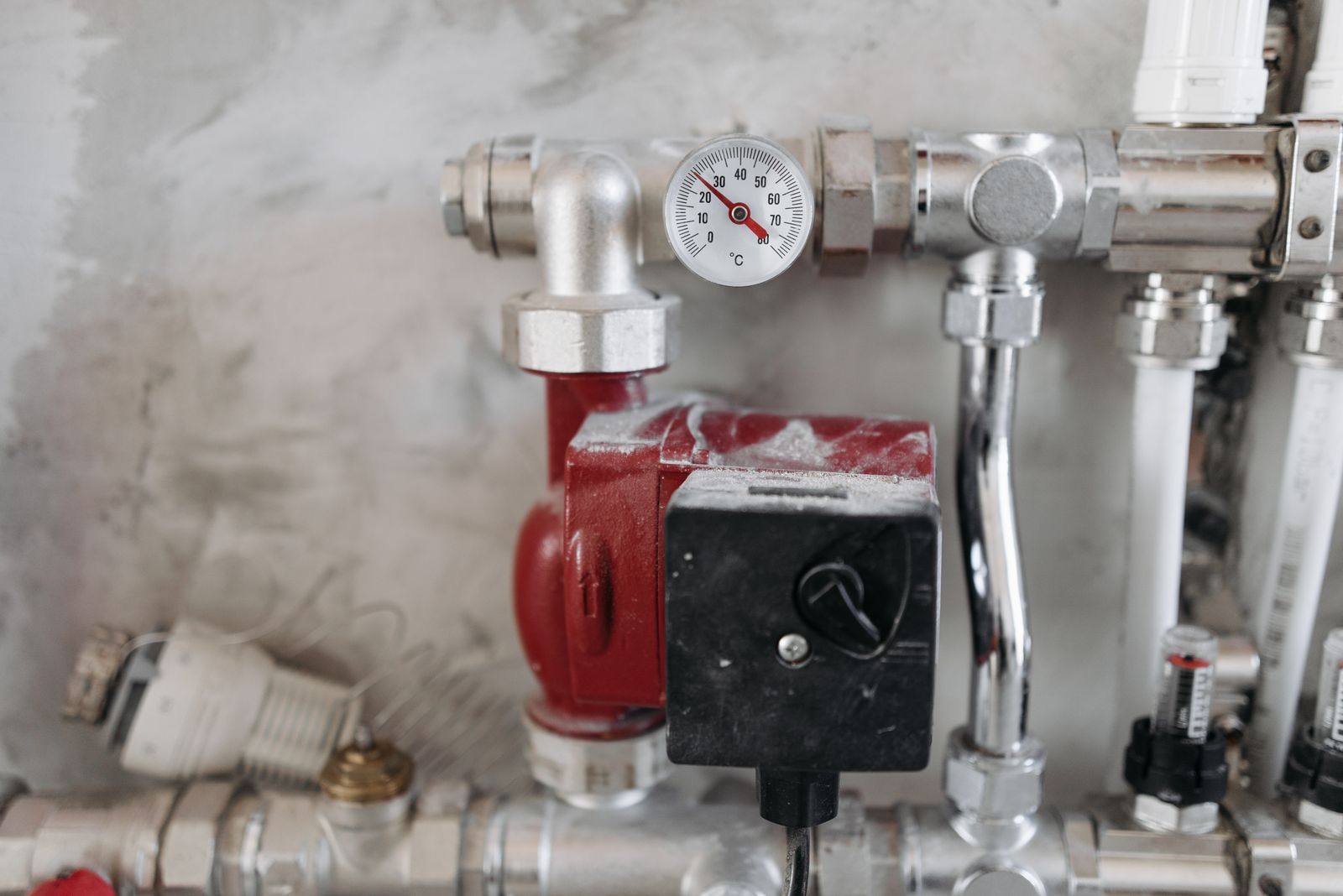
Pressure Regulator Repair & Replacement in Worcester
Pressure regulator repair and replacement is the replacement of the pressure reducing valve that controls the water pressure for the whole house. The regulator is fitted where the water line enters the house, and it keeps the pressure at a safe level. When it fails, it usually fails closed, so the pressure in the house falls — sometimes suddenly, sometimes gradually. The provider tests the pressure before and after the regulator to confirm it is the cause, then replaces the valve, sets the new one to the right pressure, and tests the pressure at the taps.
Requests are accepted in all 15 Worcester ZIP codes where coverage is verified: 1601, 1602, 1603, 1604, 1605, 1606, 1607, 1608, 1609, 1610, 1613, 1614, 1615, 1653, and 1655. Requests are shared with independent local water pressure repair providers.
Signs you need pressure regulator repair & replacement
The whole house is weak
Pressure that is low at every tap, and that drops further when two taps run at once, is a classic sign of a failed regulator or a regulator set too low.
Pressure fell suddenly
Pressure that fell suddenly, rather than gradually, usually means a regulator has failed or a valve has been closed, and it should be checked promptly.
The pressure varies
A regulator that is old, or that has never been checked, may be full of debris or worn inside, and it may not hold its setting — so the pressure varies from day to day.
How it is fixed
The provider tests the pressure before and after the regulator to confirm it is the cause, then replaces the valve — shutting off the water, removing the old regulator, and fitting a new one of the right size. The new regulator is set to the right pressure, and the pressure is tested at the taps afterwards to confirm the whole house has been restored. The provider also checks the main shut-off valve while the water is off.
What a visit usually involves
- - Describe the problem — Say which fixtures are affected, when the pressure fell, and whether it fell gradually or suddenly — and whether the neighbours have the same problem, since that points to the supply.
- - Test the pressure — The provider tests the pressure at the entry and at the taps, checks the main shut-off valve and the pressure regulator, and works out whether the problem is at one fixture or across the whole house.
- - Fix the cause — A clogged aerator is cleaned or replaced, a failed regulator is replaced, and a corroded pipe is repaired or replaced. The provider explains the cause and the fix before starting work.
- - Test again and explain — The pressure is tested again at the taps, so the household can see the difference, and the provider explains what was done and what to watch for — such as a regulator that needs checking in future.
What it costs
Low water pressure work is priced by the cause, so the range is wide. Cleaning or replacing a tap aerator or a showerhead is a small job, commonly in roughly the $75–$200 range. Replacing a pressure regulator commonly falls in roughly the $250–$600 range, depending on the size of the valve and how easy it is to reach. Clearing a blocked pipe or replacing a section of corroded pipe costs more, and a whole-house repiping is a much larger job, priced after an inspection. Any figure here is general guidance, not a quote — the provider who responds gives the actual price after finding the cause, since the fix for a clogged aerator and the fix for corroded pipes are very different jobs.
Worcester homes and their plumbing
Worcester housing runs from triple-deckers and Victorian homes near downtown, through mid-century neighborhoods, to newer suburbs. Many older homes still have their original galvanized supply lines, and the oldest homes have lines that are a century old.
Frequently Asked Questions
Where is my pressure regulator?
A pressure regulator is usually fitted where the water line enters the house, near the main shut-off valve. It is a bell-shaped valve on the pipe, and it may have a screw on top for adjusting the pressure. If you cannot find it, the provider can, and it is worth knowing where it is — it is the part that controls the pressure for the whole house.
What are the signs of a failed regulator?
A regulator that is set too low gives weak pressure at every tap. A regulator that has failed usually fails closed, so the pressure falls suddenly. A regulator that is old or full of debris will not hold its setting, so the pressure varies. A provider tests the pressure before and after the regulator to confirm whether it is the cause.
What pressure should the regulator be set to?
A regulator should be set to a pressure that is safe for the plumbing and comfortable at the taps — high enough for a good shower, low enough not to strain the pipes and the appliances. The provider sets it to the right level and tests it, and explains what the reading is so the household knows what to expect.